When an AI Screening Chatbot Adds Value in Recruitment
When does an AI screening chatbot really add value in recruitment? A practical framework for screening and compliance. Candidates get a faster response.
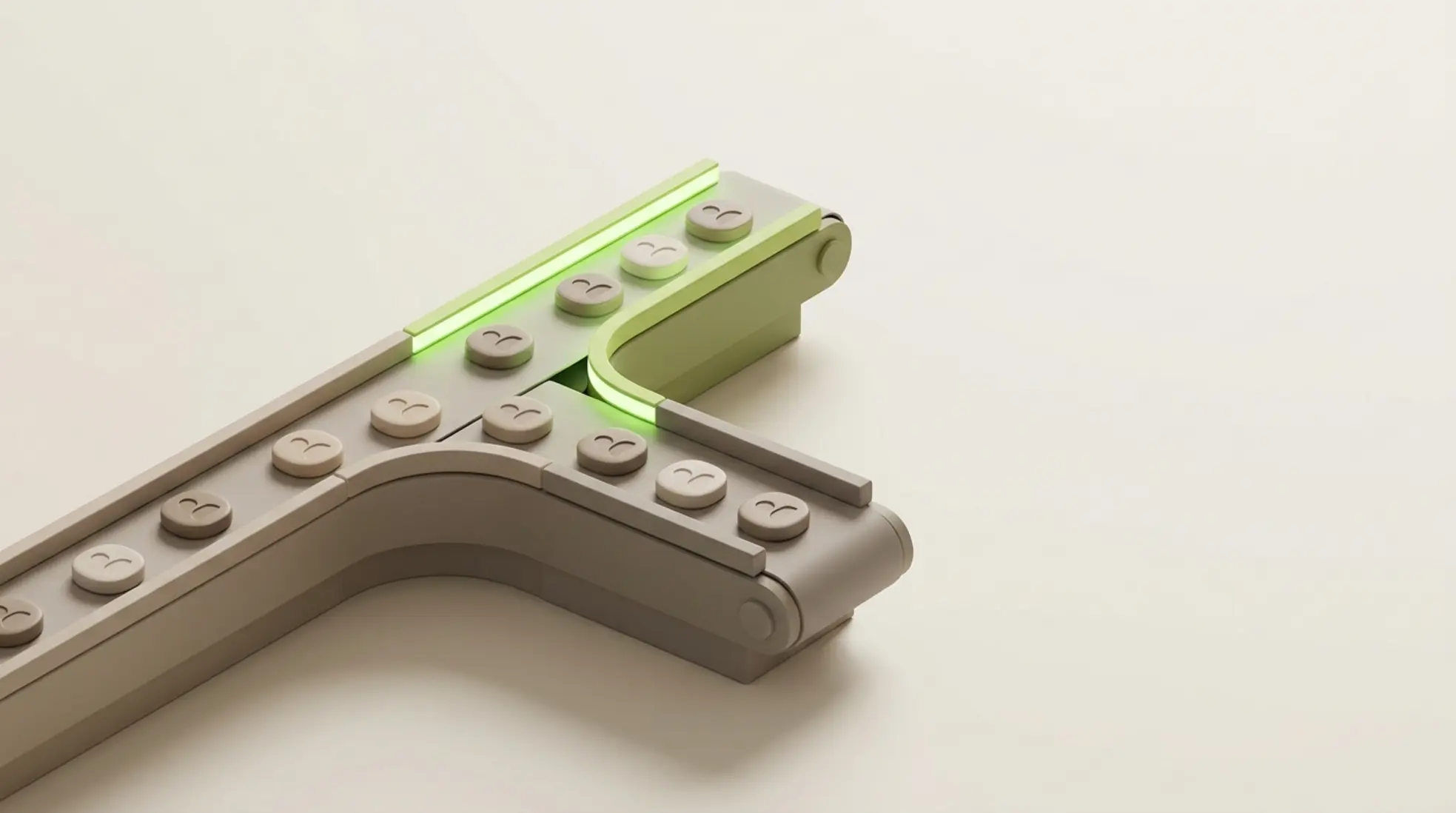
AI screening chatbots maximise efficiency in volume hiring by checking hard criteria instantly, but need a human touch for scarce and senior roles. Used well, they significantly boost the speed and fairness of your selection process.
An AI screening chatbot works particularly well with high volumes of applications and clear selection criteria. The tool is less suited to scarce roles or situations where personal contact is essential. So the added value depends heavily on your process, your target group and the way you deploy the technology. In this article, we offer a practical framework to help you make the right choice here.
- Speed helps with large numbers of candidates, but can create distance for senior roles.
- Clear criteria make screening fairer and easier to explain.
- Poor chatbot flows directly lead to drop-offs.
- Transparency and human oversight are crucial for trust and compliance.
What is an AI screening chatbot, and what does screening mean in recruitment?
An AI screening chatbot is a digital tool that asks applicants questions and analyses their answers to determine whether they fit a role. Screening, in this context, means filtering, selecting or ranking candidates based on preset criteria, such as availability, work experience, certifications obtained or language level.
This goes further than a standard recruitment chatbot that only answers questions. With AI-driven candidate screening, the system actually makes decisions about who moves on to the next round. As a result, the technology directly affects the quality, speed and fairness of your process. Where a regular application chatbot limits itself to communicative support, a recruitment chatbot with screening also drives active selection.
When an AI screening chatbot adds value in recruitment
Volume hiring and a high inflow of applications
When you're dealing with a lot of applications at once, a chatbot for volume hiring helps check the basic requirements extremely quickly. This means recruiters have to do considerably less manual work and can focus fully on the personal conversations. On top of that, candidates get a response much faster, which in turn drives higher engagement.
Hard knock-out criteria
If you work with hard requirements, such as holding a driving licence or a specific certificate, AI screening of candidates performs excellently. The outcome is highly predictable in these cases, because the rules are fixed. This also makes the decisions made a lot easier to justify.
Fast responses outside office hours
Many candidates apply during the evening. A chatbot can respond instantly at moments like these and ask the necessary questions, which considerably shortens the overall turnaround time. Our recruitment statistics and benchmarks also show that a fast follow-up often results in higher conversion.
First contact within minutes
An initial response within a few minutes stops candidates from dropping off or looking elsewhere. Especially in a competitive labour market, this speed really makes the difference.
When an AI screening chatbot actually works against you
Senior and scarce roles
With highly experienced candidates, personal contact really matters. An automated flow quickly feels too impersonal to them. Unfortunately, this can cause your best candidates to drop off before you've even spoken to them.
Roles where persuasion is central
For complex roles, candidates often need explanation and context. A standard conversation flow simply leaves too little room for nuance. This means the recruiter misses an important opportunity to properly inform and persuade the candidate.
A low digital preference
Not every target group is keen to communicate through a chatbot. A poor candidate experience with a chatbot inevitably leads to frustration, especially when the questions asked are unclear.
Flows that are too long or unclear
If a chatbot asks too many questions without giving good context, the candidate's motivation drops fast. People, quite reasonably, want to understand why certain information is being asked of them.
Tip: Elvatix gets more out of every InMail credit. Higher response rates, lower cost per contact.
See how →Transparency and rules around an AI screening chatbot
The use of artificial intelligence in recruitment often falls under stricter regulation. Under the EU AI Act, screening through recruitment chatbots like this is even considered high-risk for organisations operating in the EU; in the UK, similar scrutiny comes from data protection and equality law. That's why it's essential to have solid documentation, strict bias checks and sufficient human oversight in place.
Transparency in an AI-driven application process is invaluable here. Candidates have the right to know they're communicating with an automated system and how certain decisions are reached. Communicating this openly prevents distrust. Within a corporate recruitment context, this carries extra weight, because it directly affects your reputation as an employer.
The disclosure paradox
When you try to hide the use of AI, the candidate's trust drops. If, instead, you explain it clearly, acceptance rises considerably. That's why a short, honest explanation at the start of the conversation always works best.
On top of that, always build in a human handover. A recruiter needs to be able to step into the process at any point. This oversight is essential to catch mistakes and bias in time.
What a good AI screening chatbot does in practice
An effective chatbot is concise, crystal clear and mobile-friendly. Often, five to seven questions are already more than enough. As long as candidates understand why specific information is being asked and what happens with it, this increases their willingness to answer the questions.
On top of that, the questions are objective and fit the vacancy perfectly. The language used is simple, accessible and direct. Candidates also always get the option to continue the conversation with a real recruiter. In our explanation of clear questions and instructions, we show concretely how to set up a process like this optimally.
What a poor AI screening chatbot does, and the risks that come with it
A poorly configured chatbot asks unnecessarily many questions and offers no context at all. As a result, candidates have no idea where they stand. On top of that, the option to reach a human contact is often missing. The rejections the system sends out are usually too vague as well, which more quickly leads to complaints.
There's also a real risk of bias when the questions aren't carefully worded. This can lead not only to an unfair selection process, but also to serious reputational damage.
How to work out whether an AI screening chatbot fits your process
Decision questions
Start by mapping out your application volume. Large numbers quickly make the move to automation a logical one. Next, check whether you're working with clear, measurable criteria. Also look closely at your candidates' expectations, and consider whether you've properly arranged human follow-up. Once several of these factors come out positive, an AI screening chatbot can genuinely add value to your organisation.
Testing and optimising
Always test a new tool with real candidates. Carefully measure where people might drop off and how long the process takes. Then compare this data with your current, manual approach, focusing on speed, quality and overall satisfaction.
In practice, it sometimes turns out that a bit less automation actually works better, and that personal follow-up is more effective. In our practical examples from recruitment teams, you can read how various teams deploy the technology without automating the entire process straight away. Want to hold your specific situation up to the light? Feel free to get in touch with us, so we can look together at what best fits your process and weigh up any risks.
Frequently asked questions about the AI screening chatbot
What is an AI screening chatbot?
An AI screening chatbot is a smart tool that asks candidates targeted questions and, based on their answers, quickly assesses whether someone meets the preset requirements.
When does an AI screening chatbot work best?
This tool is especially effective with a high volume of applications, when there are tight selection criteria in place, and at moments when candidates expect a fast response.
Is AI screening allowed under the EU AI Act?
Yes, this is allowed, provided your organisation can demonstrably meet strict requirements around transparency, bias checks, documentation and human oversight.
Write a personal message right here
Enter a name or LinkedIn URL and get a personalised message within 30 seconds. No account needed.
Is your screening process ready for AI?
Elvatix automates your first-round screening with smart chatbots that instantly check the right knock-out criteria and availability. This shortens your time-to-hire while recruiters focus on the best personal matches.