Diversity hiring with AI sourcing: reducing bias or reinforcing it
Diversity hiring with AI sourcing: reduce bias, meet the EU AI Act and UK GDPR, and keep candidate selection fair, transparent and human-controlled.
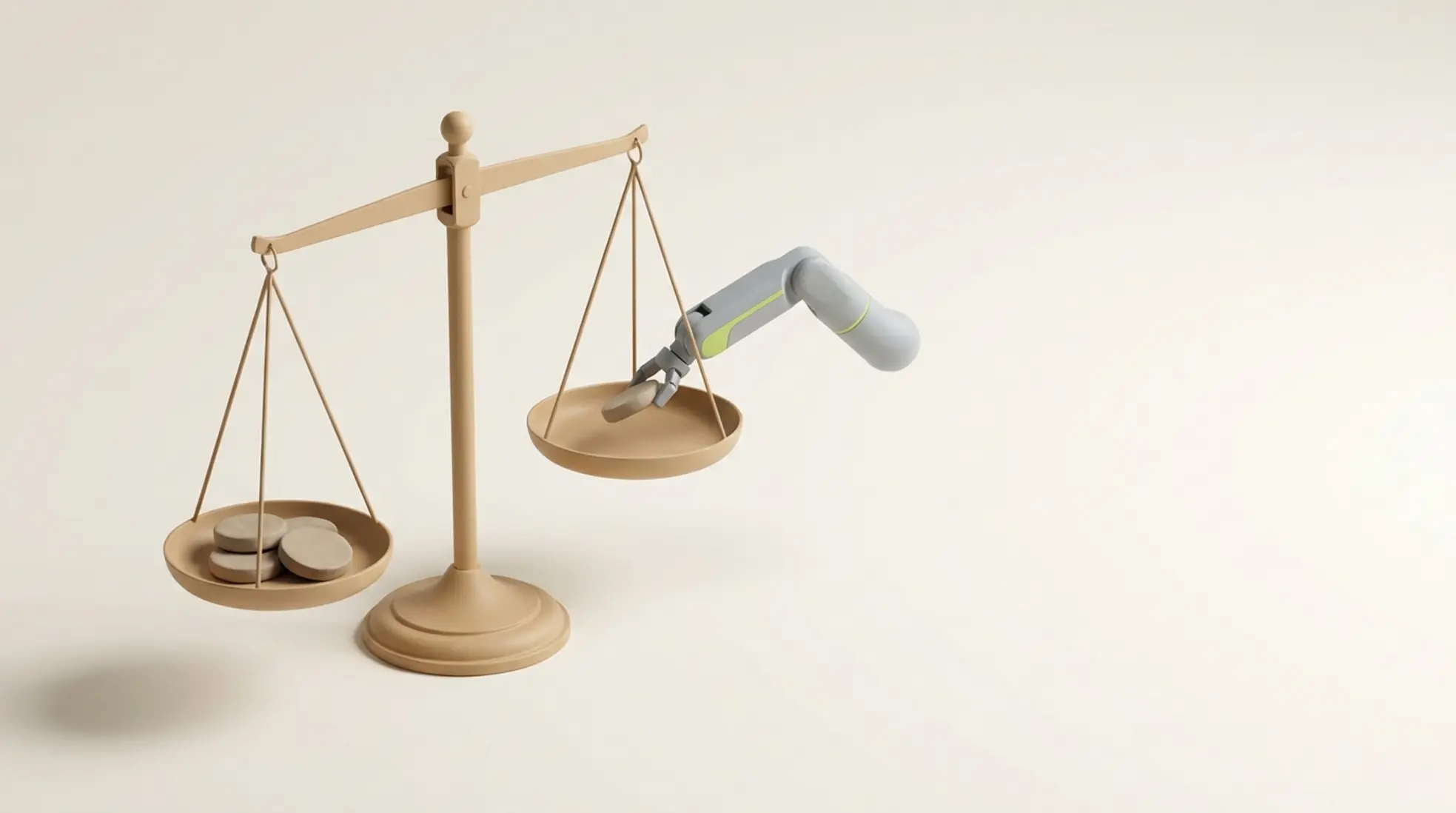
AI sourcing strengthens diversity by shifting the focus to skills, provided recruiters retain active control to prevent historical bias in data from being repeated.
Diversity hiring means judging candidates fairly on what they can do, not on their background or on chance. Using AI for sourcing can improve this process by searching more broadly and selecting more consistently. At the same time, bias can creep into AI sourcing when systems learn from outdated data full of old prejudices. That's why a clear setup, proper oversight and a working knowledge of the legislation are essential to using AI safely and effectively.
In this article, you'll read how that works in practice, where the risks lie and what your recruitment team can actually do about it.
- AI can improve diversity hiring when you steer on skills and build in enough oversight.
- Bias in AI sourcing often stems from historical data and choices made within the team.
- Legislation such as the EU AI Act and UK GDPR determines how you're allowed to use AI.
- Human oversight always remains essential for selection decisions.
Why diversity hiring is under pressure from AI-driven selection
AI is being used more and more within recruitment. At the same time, regulators and courts are paying growing attention to the topic. That's because algorithms sometimes treat candidates unequally, without this being immediately visible. Systems draw on patterns in data, and that data often already contains existing preferences.
Without intervention, AI can reinforce existing bias in recruitment. A model that learns from earlier assumptions simply repeats those historical choices. Because this happens entirely automatically, AI is not a neutral tool. You have to actively steer and monitor the system.
Still, this development also creates opportunities. AI can actually help you search much more widely, so you become less dependent on specific job titles or well-known employers. That only works, though, if you make clear choices upfront about how the system assesses candidates.
What diversity hiring means in the age of AI
Diversity in recruitment is about equal opportunity at every step of the hiring process. Ultimately, it's the outcome that counts. A process can look perfectly logical on paper while the final selection still turns out to be one-sided. That's why you need to look beyond good intentions alone.
AI now plays a part in determining which candidates become visible to recruiters. The algorithm recognises certain patterns and ranks candidates by their likely success. That's precisely why it's so important to define upfront what's actually relevant for the open role.
Skills-based hiring helps enormously here. You look at skills and behaviour, rather than relying solely on the CV. This makes an inclusive approach to sourcing far stronger, because more candidates come into view who are genuinely a great fit for the role.
How bias forms and affects diversity hiring
Bias in AI sourcing usually doesn't stem from a single coding error, but from a combination of factors. If you don't keep those factors in check, they can also reinforce one another considerably.
Training data and historical patterns
Because AI learns from existing data, a risk lurks here. If earlier hires mostly came from one narrow demographic group, the system reads this as a pattern of success. Similar candidates then automatically get a higher score. This is a well-known problem with AI bias in recruitment, and it inevitably leads to old choices being repeated.
Feedback loops in recruitment teams
Recruiters often give feedback on candidates within the system, and the model then uses those judgements as learning material again. If a recruitment team keeps favouring the same preferences, the system picks up on that behaviour. Before long, this creates a closed loop in which much-needed variety declines.
Indirect characteristics in selection
There are also variables that look neutral at first glance but still carry a real indirect effect. Think of someone's postcode, the school or university they attended, or their specific use of language. This can easily lead to unwanted, indirect discrimination. Under equal treatment legislation, including the Equality Act 2010, this is strictly prohibited in a final selection decision. That naturally applies just as much when an algorithm does the sifting.
Tip: Elvatix gets more out of every InMail credit. Higher response rates, lower cost per contact.
See how →How AI helps improve diversity hiring
Used cleverly and responsibly, AI can actually contribute a great deal to a better, and above all fairer, selection process. How you set up your hiring system makes all the difference here.
Skills-based hiring as a foundation
By focusing firmly on skills, candidates with a less conventional career path also get a fair shot. AI can help recognise these skills and link them directly to the stated job requirements. This makes the overall selection far less dependent on specific qualifications or job titles held in the past.
Anonymous screening in the first stage
Anonymous screening strips out personal characteristics from the very first assessment stage. AI can carry out this process fully automatically. Recruiters then only look at the actual substance of the profile, which considerably reduces the chance of unconscious preferences creeping in.
Searching by meaning
Modern recruitment software increasingly searches by context and meaning rather than exact keywords. This brings forward candidates who are a perfect fit on substance, even if their profile is put together slightly differently. This approach supports an inclusive way of sourcing and also widens the talent pool.
Analysing the diversity of an AI shortlist
It's important to properly measure how an AI-generated shortlist is put together. Are certain groups structurally missing? That's an important warning sign. Regular bias audits within your recruitment process let you check these kinds of outcomes, so you can adjust course in good time wherever needed.
When AI becomes a risk to diversity hiring
On the other hand, AI can seriously limit diversity when it's applied incorrectly. Unfortunately, this often happens without the teams involved even noticing.
A notorious example of this is steering heavily on so-called culture fit. In that case, the algorithm mainly looks for similarities with the people already on the team, which quickly reduces the variation within it. Generic AI models without specific local tailoring also cause problems often, simply because work context and regional language use can differ so much.
The single biggest risk, however, arises when proper monitoring is missing. Without active oversight, bias in AI sourcing stays invisible to users, and the problem can grow slowly but steadily in the background.
Legislation on diversity hiring and AI
The EU AI Act for recruitment
The new EU AI Act classifies the use of AI for recruitment and selection as a high-risk application. This means organisations are required to maintain watertight documentation, transparent logging and full explainability of the choices made. A recruiter must always be able to understand exactly why a particular candidate is given a high or low score.
Article 22 of the UK GDPR
Under Article 22 of the UK GDPR, people can't be assessed on a fully automated basis when it comes to decisions with major consequences, such as a job opportunity. That means a rejection must always be reviewed by a human. AI can support the process substantially, but the system must never be allowed to make the final call on its own.
The Equality Act 2010 in the selection process
This legislation explicitly prohibits discrimination throughout the entire selection process. That naturally applies to selection via algorithms too. As an organisation, you always remain ultimately responsible for the fairness of your hiring outcomes, and you must be able to demonstrate this if required.
A practical approach to diversity hiring with AI
Always start by clearly formulating the job criteria. By setting out clear selection criteria, you stop your own unconscious preferences from sneaking in. Make it concrete which requirements are absolute and which are optional. Make sure you also review these criteria regularly.
Build in structural review moments. Analyse the outcomes of your AI sourcing and discuss any striking differences or patterns with the whole hiring team. This approach makes the process far more transparent, and therefore easier to adjust.
A transparent and clear procedure towards applicants is essential too. Candidates have the right to know how hiring decisions are reached and who they can turn to with substantive questions. This strengthens their trust in your brand and, at the same time, helps surface possible system errors much faster.
Who's responsible for diversity hiring within teams
Within corporate recruitment teams, responsibility is often split across several roles in practice. Departments such as HR and legal work closely together with hiring managers here. This way, a human eye stays involved in the decision-making at every crucial step.
Set these roles out clearly in advance, and make sure oversight of the algorithms is a structural part of day-to-day work. This stops an AI system from quietly exerting far too much influence on the selection process in the background.
Vendor checklist for AI sourcing tools
Implementing good tooling naturally starts with a critical selection of vendors. So don't be afraid to ask pointed questions about how they handle data, bias and quality control.
- How does the vendor collect and update its training data?
- How is possible bias tested and formally recorded?
- Does the platform offer enough insight into the decisions made and candidate scores?
- Exactly how is human oversight of this automated process set up?
- Does the underlying language model genuinely fit the specific UK context?
- Can the system explain a rejection or score for each individual candidate?
- How is privacy safeguarded in light of Article 22 of the UK GDPR?
- Does the recruitment platform support running a periodic bias audit?
- Through which channels are important updates to the algorithm communicated?
- Is there a low-threshold, clear complaints process set up for candidates?
If in doubt, you can always talk through your situation with us. Together, we'll map out clearly what you can safely and responsibly automate in your process.
Practical use in outreach and selection
AI is especially powerful in the first stage of the recruitment process. Think of searching databases, structuring profile information and sending that very first outreach message. Recruiters, however, must always assess the final selection decisions themselves. In our real-world examples from recruitment teams, you can see exactly how this works when you choose a well-controlled approach.
Want to understand better how we apply this ourselves? Then read more about how we think about recruitment. For us, what matters most is that technology supports the working process, while passionate people always remain fully responsible for the outcome.
Frequently asked questions about diversity hiring and AI
What is bias in AI sourcing?
Bias in AI sourcing simply means the system judges different candidates unequally, caused by biased patterns in data quality. This often results from historical hiring choices or an overreliance on misleading, indirect characteristics.
Are you actually allowed to use AI for the final selection?
Yes, absolutely. Under the EU AI Act and Article 22 of the UK GDPR, however, there must always be room for strict human oversight, and the automated decision-making process must be fully explainable to the candidate.
How can you promote diversity with AI?
Among other things, by adopting skills-based hiring, anonymously screening applicants on the right parameters, and structurally checking your hiring outcomes through frequent audits.
Who is legally and morally responsible for hiring decisions?
The organisation always remains primarily responsible for this. AI merely functions as a supporting tool, while a human ultimately makes the decision.
Successfully embedding diversity hiring simply requires very deliberate choices and a continuous form of oversight. Modern AI can certainly help you look beyond market boundaries and make quality matches faster. At the same time, this system only works in your favour if you actively steer towards genuinely fair outcomes and keep evaluating your hiring process without pause. That way, you build, step by step, a recruitment approach that's not only highly effective in practice, but ethically sound too.
Write a personal message right here
Enter a name or LinkedIn URL and get a personalised message within 30 seconds. No account needed.
Want to eliminate bias from your hiring process?
Elvatix helps you safeguard diversity by basing sourcing on objective skills and putting human oversight at the centre. Reduce the risk of bias with our transparent recruitment technology.