How many times to follow up with a candidate on LinkedIn
How many times should you follow up with a candidate on LinkedIn without being pushy? Tips on timing, tone and keeping the candidate experience positive.
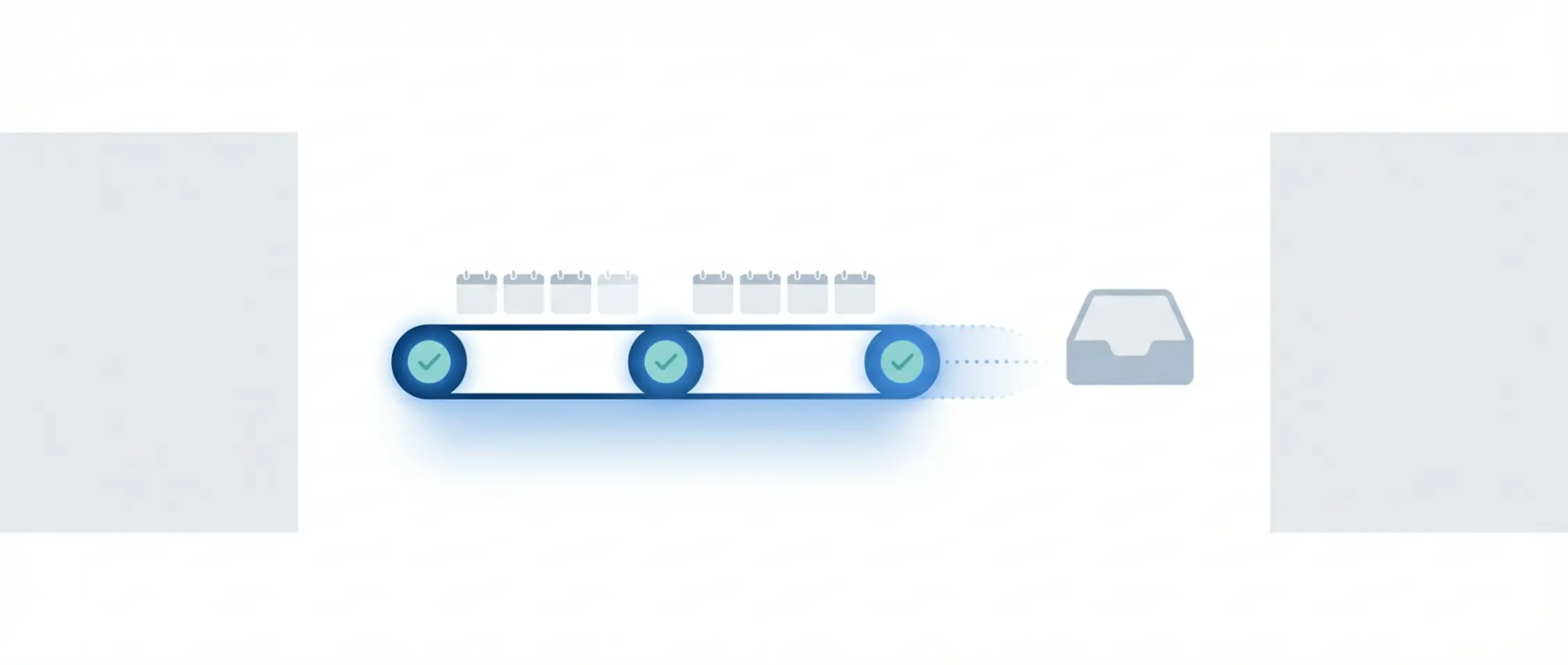
The golden rule: a maximum of 3 reminders, with increasing wait times (3, 7, 14 days). After that, it's spam.
In most cases, one follow-up to a candidate on LinkedIn is enough. In some situations you can send a second message after a week. Three messages in total per role is the maximum guideline. Keep 4 to 7 working days between each point of contact. This pace helps you stay visible without being pushy. Every message only works if it adds new information or a clear question. Otherwise it quickly starts to feel like spam. In this article you'll learn how often to follow up with a candidate, what timing feels right, and how to keep your messages personal and professional.
- Send a maximum of two follow-ups after your first message. That keeps you polite and visible.
- Leave 4 to 7 working days between messages. That way your message doesn't feel rushed.
- Give every follow-up a new reason to reply. Avoid repeating yourself.
- Match your tone to the moment: friendly, clear and without pressure.
- Stop following up if there's no signal at all after three messages.
What is a LinkedIn follow-up, and why does it work?
A follow-up is any new message you send after you've already reached out on LinkedIn but haven't had a reply yet. Think of following up after an InMail, after a connection request, or after an earlier chat message. This reminder makes sure your message stands out again, without coming across as pushy straight away.
Many candidates don't reply straight away. Usually because they're busy, unsure, or putting it off, even though there's still interest. A second message gives the candidate an extra chance to respond. That's why we see LinkedIn follow-ups contribute to a higher response rate, and ultimately more conversations booked in.
At every point of contact, the quality of the message counts. A friendly tone, relevant content and a clear question all help. That increases your chance of a reply and avoids irritation, which is essential for a good candidate experience.
How many times to follow up with a candidate during first outreach on LinkedIn?
The rule of thumb is: a maximum of three messages per candidate per role. That's the first message plus one or two follow-ups. Any more can start to feel like spam, unless you've had prior contact or spot specific signals.
This approach keeps things clear for your process and pleasant for the candidate. If you still haven't seen a profile visit or reply after the second follow-up, wrap the conversation up cleanly. That strengthens your reputation as a recruiter and leaves room for contact further down the line.
If you've had prior contact with the profile, or you're dealing with a hard-to-find candidate, you can plan one extra point of contact. Just make sure every message adds new value. Agree team guidelines for these exceptions so the approach stays consistent.
Follow-up timing, 4 to 7 working days: when do you send which message?
A good gap between messages is 4 to 7 working days. That gives the candidate room to read your first message and reply if they want to, without you popping back up in their inbox too soon.
Use a simple message rhythm, also known as an outreach cadence. That gives you structure and makes it easy for a team to follow the same approach:
- Day 0: first message (for example an InMail, or a message after a connection request)
- Day 4 to 7: second message to the candidate (first follow-up)
- Day 10 to 14: third message to the candidate (second follow-up, optional)
You can adjust this rhythm. If, for example, someone accepts your connection quickly or views your profile, you can send a second message sooner. Only shorten the interval if you notice the profile is active, and only run this rhythm for one role at a time.
Write a personal message right here
Enter a name or LinkedIn URL and get a personalised message within 30 seconds. No account needed.
How many times to follow up with a candidate after an InMail, connection request or chat?
Following up after an InMail: short, clear follow-ups
An InMail is usually your first contact. Many candidates read it, but don't reply straight away. That's why you can follow up up to twice. Keep every message short, and add something new. That way you avoid repeating yourself with no substance.
Good follow-ups typically include:
- Extra detail about the team or project.
- A targeted check, such as: "Would 3 days a week hybrid work for you?"
- A suggestion: "Shall I propose a short call?"
See how we help write personal InMails at scale, to keep your follow-ups personal and relevant.
Following up after a connection request: value first, then one follow-up
If a candidate accepts your connection request but doesn't reply to your first message, send at most one further follow-up. Start with a personal message as soon as the connection is accepted. Include some content or context in it, for example overlapping experience or something current happening in the team.
Does the silence afterwards feel awkward? Then let it go. Three messages with no interaction at all can quickly come across as pushy. One good follow-up is often enough in this scenario for a considerate, human approach.
After a first reply or chat: personal, but not endless
If someone has messaged you or replied before, you have a bit more room. Even so, the same limits still matter here. At least 4 days between messages, and a maximum of three points of contact per role, is a good approach.
As a final step, show that you're leaving the choice with the candidate. For example:
"No worries if this isn't right for you now. Feel free to let me know if that changes in future."
That way you close things off professionally, without any pressure.
How many times can you follow up with a candidate without it feeling like spam?
The key to not spamming is relevance, timing and tone. More than three messages with no sign of life quickly triggers frustration. Repetition also creates a feeling of pressure. Make sure every message adds value, and always choose open, friendly wording.
A good closing line sounds like: "Completely fine if you're not interested. I'll close this off neatly on my end."
Don't forget: LinkedIn's guidelines call for professional, purposeful behaviour. Data protection rules apply too. Handle personal data carefully, and stop as soon as someone indicates they don't want to be contacted. Our tips on personal follow-ups and reminders help you keep your messages relevant and compliant.
What goes in the second and third message: new value and a clear CTA
Following up should always offer something new. A second message to a candidate only works if it gives different content than your first InMail or connection message. Consider, for example:
- Content about a current team project.
- A clarification: "The role also includes strategic work on site."
- An idea for a conversation: "Shall we have a quick call at the end of this week?"
Always close with one clear CTA: a clear action or question. For example: "Would a 10-minute call work for you?" or "Let me know if it's okay to reach out again in a month."
Give the candidate an easy way out too, such as: "Not interested? Completely fine, I'll leave it there."
When do you stop following up, and how do you close things off nicely?
If you've sent two follow-ups with no sign of life, it's time to stop. That respects the candidate's space and preserves a good impression. There are exceptions, such as prior contact or a rare profile. Even so, three points of contact per role is the safe default.
Here's how you could phrase that last message:
"As I haven't heard back from you, I'll close this off for now. If it fits better later on, I'd genuinely love to hear from you then. All the best for now."
This lets in-house recruiters who want to communicate consistently and warmly stay true to their brand, while stepping back professionally when needed.
How many times to follow up with a candidate within a team cadence?
An outreach cadence is a fixed rhythm for when you send messages, and the maximum number of messages you send per person. Within teams, this creates clarity and reduces overlapping actions.
A tried-and-tested schedule:
- Day 0: first message (personal, short)
- Day 4 to 7: follow-up with extra context and a low-pressure CTA
- Day 10 to 14: closing third message to the candidate, if still relevant
Set team agreements on tone, timing and exceptions. Log who's already made contact, especially if you share one seat. That way you avoid candidates being approached by several colleagues, or seeing the same role land in their inbox twice within a few days.
How Elvatix helps with personal follow-ups (without losing control)
Many recruiters forget to follow up, or aren't sure about the right moment. That's why we help recruiters write follow-up messages. Our copilot works inside LinkedIn Recruiter and makes suggestions based on user signals, profile content and where you are in the outreach cadence.
The recruiter decides for themselves whether and when to send a follow-up. The tool only supports with draft text, which you can always edit first. That way you stay in control of tone and timing, while still saving time.
Take a look at this case study on time saved with personalised follow-ups if you want to see how teams send better messages faster with it, and stick to their cadences more consistently.
Frequently asked questions about following up with candidates on LinkedIn
Is one follow-up to a candidate enough?
Often, yes. One follow-up after the first message is usually enough to get someone thinking again. More than two follow-ups often feels like too many, unless there was prior contact.
How many days should I wait between the first message and a follow-up?
It's best to wait 4 to 7 working days. That period fits how candidates typically cycle through their LinkedIn inbox, and stops you popping up again too soon.
Can I approach the same candidate again for a different role?
Absolutely. As long as it's a different role with a different profile, you can happily reach out again. Just leave enough time, and be clear about why this role is a better fit.
What if a candidate replies after my last follow-up?
Be friendly and neutral. Thank them for the reply, explain the status of the role, and offer a new point of contact if the process is still running.
Want to improve your approach, or look at a team cadence together? Book a short demo to sharpen your follow-up approach.
Write a personal message right here
Enter a name or LinkedIn URL and get a personalised message within 30 seconds. No account needed.
Manage reminders automatically?
Elvatix helps you track who needs a message and when, without coming across as pushy or intrusive.