LinkedIn follow-up strategy for recruiters who want more replies without being spammy
A strong LinkedIn follow-up strategy helps recruiters get more replies without being pushy. Learn the structure, timing and tone that respects candidates.
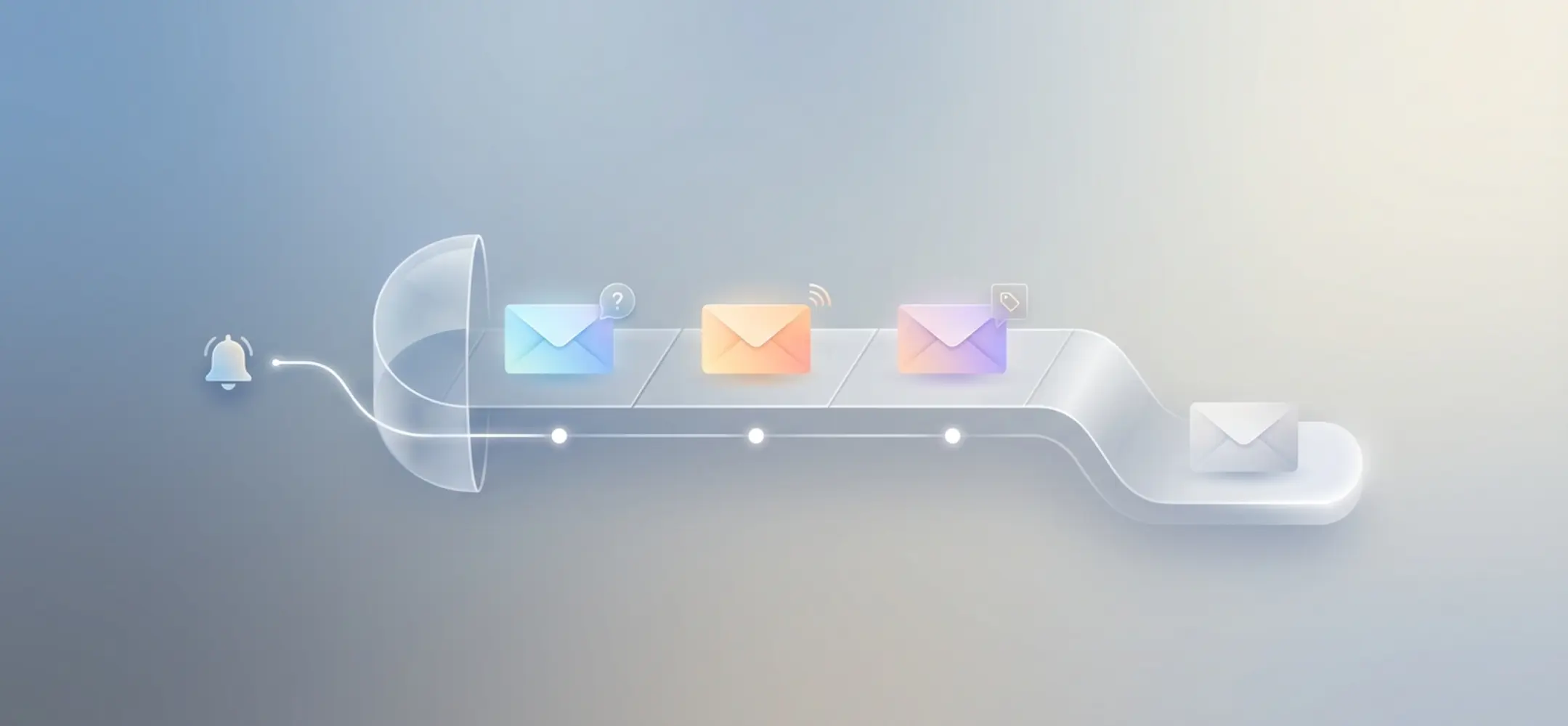
A strong follow-up adds new value, instead of "did you see my previous message?". Share a case, a post, or a new angle.
A good LinkedIn follow-up strategy helps recruiters get more replies without it feeling like spam. By staying relevant, keeping your message clear and timing it well, following up becomes a natural step rather than a pushy one. You approach a candidate with respect for their time and context.
In this article, we explain how you, as a recruiter, can bring clear structure to your follow-ups. You’ll get concrete message examples, practical guidelines and tips to work more effectively with LinkedIn as a recruitment channel, both on your own and with your team.
- Follow up with candidates on a fixed rhythm, and stop in good time if there’s no reply.
- Adjust your follow-up based on the message type: connection request or InMail.
- Add something new and valuable each time: a question, a signal or some context.
- Keep the tone human and short, with one clear micro-question per message.
- Use tools and reminders to stay on top of your recruitment flow.
What a LinkedIn follow-up strategy is, and why it’s essential for recruiters
A LinkedIn follow-up strategy is a fixed approach where you follow up once or twice more via LinkedIn after your first message. You use a LinkedIn follow-up message to get the conversation moving, not to push. Each follow-up has a new reason behind it, such as a relevant question or a recent update from the candidate.
This matters for recruiters, because many first messages get ignored. That’s often not down to a lack of interest, but to a lack of time or poor timing. If you wait without following up, the lead just sits there. Use a clear structure, though, and a candidate sees that you’re engaged, not pushy. This approach is especially necessary for recruitment agencies with high-volume outreach, to stay consistent and avoid missing opportunities.
LinkedIn follow-up strategy for connection requests and InMails: handling the difference
LinkedIn gives you two ways to make contact: a connection request with a note, or an InMail. Each calls for its own approach when it comes to following up.
A connection request allows a maximum of 300 characters. Use that space to mention something recognisable, such as a shared interest or reason for reaching out. An example:
“Hi Sarah, I noticed your profile come up at FinTechJobs. Shall we connect?”
If the connection is accepted but you don’t get a reply, you can send a follow-up after three to five days. Keep that message short, specific and relevant. Don’t repeat anything word for word, add something instead.
An InMail gives you more room from the start. You don’t need to be connected to send this type of message. With an InMail follow-up, refer briefly to your earlier message and add new information, such as a targeted question or more detail on the opportunity. Always keep LinkedIn etiquette in mind: be polite, don’t make demands, and never follow up if someone has explicitly said they’re not interested.
Building your LinkedIn follow-up strategy: how many messages, what content and what timing
Work with a fixed order and rhythm, and you increase your chances of a reply. An outreach sequence like this makes your approach professional and easy to follow. Below is an example of a standard structure.
Example of a short outreach sequence for a new candidate
- Day 0: first contact via InMail or a connection request with a note
- Day 3 to 5: first follow-up message on LinkedIn
- Day 7 to 10: second follow-up, only if there’s been no decline
- Day 11 or later: stop if there’s still no reply
Second message example: adding new value in one sentence
“Hi Emma, I know your diary is probably packed. Would you mind if I asked you one question about your next step? I’d love to know how you feel about hybrid working in data teams.”
Third follow-up without spamming: when it’s still worth it
“Hi Tom, I saw you shared something recently about growth in tech leadership. We have a role on an AI team that fits well with that. If you’re keen, I’ll explain it in one sentence. You decide if it’s relevant.”
Make sure you don’t repeat yourself or push too hard. Every follow-up should bring something new. So don’t insert generic text, refer subtly instead to a relevant profile signal or something topical. That way, you stay within LinkedIn’s message limits, and your message never feels like a pressure tactic.
Write a personal message right here
Enter a name or LinkedIn URL and get a personalised message within 30 seconds. No account needed.
LinkedIn follow-up strategy with a focus on tone, personalisation and boosting your reply rate
Your tone determines whether someone feels personally approached or not. Recruiters who tailor their follow-up to the profile increase their chances of a reply. Personalising a follow-up doesn’t have to take long if you pay attention to details in the profile or recent activity.
Using signals from the profile to make your follow-up feel human
- A recently shared article or a liked post
- A new role or a project someone is working on
- A change of location or skillset
Work this into one sentence, such as: “I noticed you switched to a data-driven project last month. Does that still fit with your short-term ambitions?”
One clear question per message: micro-CTAs for recruiters
Frame one simple micro-question per message. That makes it easier for the other person to reply quickly. For example:
- “Would you be open to a short introductory call?”
- “Is this direction interesting for you at the moment?”
- “Can I ask you one question about your technical specialism?”
This way, you help yourself boost your reply rate without a candidate feeling pressured.
Embedding your LinkedIn follow-up strategy in your team and daily workflow
Following up often gets forgotten, especially during busy periods or with high volumes. That’s why it’s important to make follow-ups measurable and shareable across your team. Agree on how many messages you send, when you stop, and how often messages can be adjusted. That way, you avoid leads disappearing or the tone varying too much from one recruiter to another.
Take a look, for example, at these metrics:
- Number of accepted connection requests
- Reply rate per message type
- Number of intake calls per week
- Time invested per candidate
Reminders and checklists so you never forget a candidate
With reminders for recruiters, you stay on top of things even when you’ve got ten or more conversations running at once. That way, you know exactly who to follow up with and when, and you reduce the chance of a warm contact going cold.
Agreeing a fixed approach together within your recruitment team
A well-organised team has a clear foundation. Think of fixed days for following up, or a concise set of example messages for each step. In this case study with a recruitment team, you’ll see how one organisation approaches follow-ups structurally by combining routines with regular feedback moments.
Want to help your team with a smooth follow-up approach carried out within LinkedIn? Our software supports you in drafting and adjusting messages, without ever having to step outside your workflow. Elvatix working within LinkedIn makes it easier to write personal messages and follow-ups, while you stay in control of timing, tone and sending.
Summary: your next step with LinkedIn follow-ups
A strong LinkedIn follow-up strategy brings more structure, better conversations and fewer missed opportunities. You know exactly when to approach someone again, what to say, and when it’s time to let go. By asking one clear micro-question per message and working in signals from the profile, you stay close without being pushy.
As a recruiter, you want a clear overview of your approach. By making team agreements and using reminders and smart writing support, following up becomes part of your daily rhythm. We’re happy to help you with that. If you’d like to improve or test your approach with our copilot within LinkedIn, feel free to get in touch about your LinkedIn follow-up approach.
Frequently asked questions about LinkedIn follow-ups
How often should you follow up with a candidate on LinkedIn?
Send one or two follow-ups after your first message, with roughly three to five days in between. If there’s still no reply after that, it’s best to stop.
What should a recruiter include in a LinkedIn follow-up message?
Always add something new to your follow-up, such as a short question, extra context or a profile signal. Keep your tone friendly and specific.
What’s the difference between an InMail follow-up and following up on a connection request?
A connection request is shorter and often needs a follow-up after acceptance. An InMail gives you more space, but still calls for a compact and personal follow-up message.
What are LinkedIn’s message limits, and what should you watch out for?
LinkedIn limits the number of messages you can send per week or month. So only send messages with content that’s relevant to the candidate. Choose quality over volume.
How do you make sure you never forget to follow up with a candidate?
Work with a fixed rhythm, clear stop points, and use reminders for recruiters if needed, to get a timely nudge.
Write a personal message right here
Enter a name or LinkedIn URL and get a personalised message within 30 seconds. No account needed.
Follow up more effectively?
Elvatix remembers the context of your earlier messages and suggests a meaningful new angle for your follow-up.