Candidate follow-up cadence on LinkedIn: from connection to intake call
An effective LinkedIn follow-up cadence for candidates, with day 0, 3 and 10, takes you from connection to intake call. With examples and tips for replies.
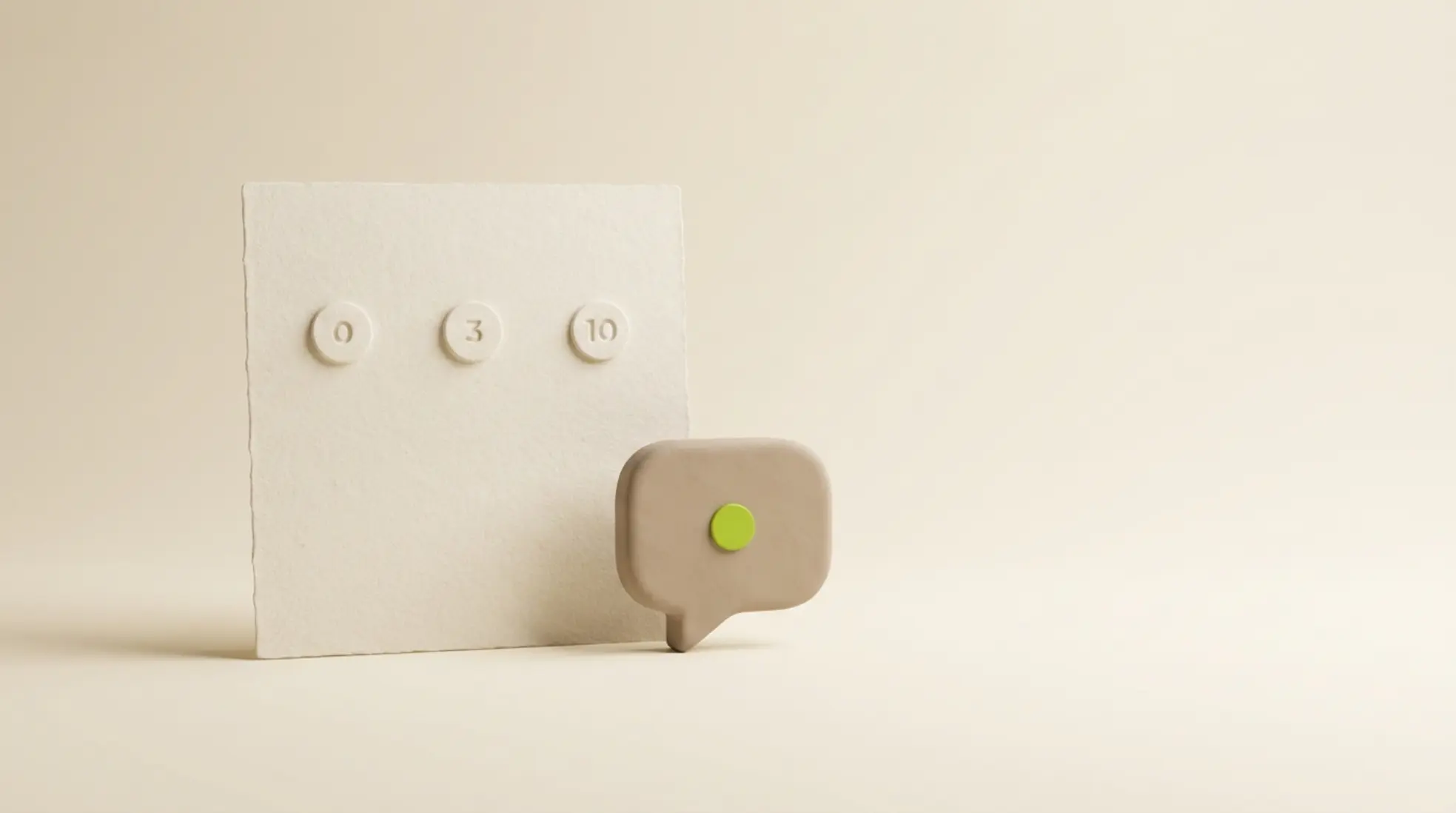
Boost your LinkedIn response rate with a fixed cadence of three touchpoints on day 0, 3 and 10, each carrying one specific question. This approach builds a relationship without pressure and makes the step to an intake call a natural next move.
An effective LinkedIn follow-up cadence for candidates has three fixed moments: day 0, day 3 and day 10. At each moment, you send one short message with one clear question. This lets you build a conversation gradually, get more replies, and make the step towards an intake call feel logical and pressure-free. In this article, you'll learn exactly how to apply this in your day-to-day work.
- Work with day 0, day 3 and day 10 for calm, structured follow-up
- Every message has one goal and one question, so the conversation stays clear
- Stop the automatic sequence as soon as someone replies; the conversation then sets the pace
- Always adjust tone and timing to your goal, whether that's a specific vacancy or a talent pool
Why a LinkedIn candidate follow-up cadence brings calm and overview
Many recruiters work without a fixed rhythm. That quickly creates noise in how you plan candidate follow-up, and you miss opportunities as a result. A clear LinkedIn candidate follow-up cadence gives you real grip. You know exactly when to approach someone and why that moment makes sense. This lowers the mental load and makes your work predictable.
A fixed candidate follow-up schedule also helps improve the quality of your messages. You write shorter messages and ask one focused question at a time. That makes your LinkedIn recruitment message sequence feel more personal and clear. The principle is similar to a standard recruitment cadence, just tailored to genuine conversations on LinkedIn.
How to build a LinkedIn candidate follow-up cadence around your list goal
Your goal sets the pace and tone of your messages. Working on a specific vacancy, you'll want to move faster on LinkedIn towards booking an intake call. Within a talent pool, you'll want to keep a candidate warm on LinkedIn and build the relationship at a gentler pace. For an open introduction, the focus is mainly on showing interest and picking the right timing.
If you're running multiple processes at once, structure is essential. Teams that work with multiple candidate lists find that messages easily get mixed up without it. With fixed rules per list, your follow-up schedule as a recruiter stays organised, and you avoid candidates receiving duplicate messages.
Day 0 in the LinkedIn candidate follow-up cadence: the first meaningful message
Day 0 is about your first real message after a connection request is accepted. Send it deliberately later that day, or even the next day, so it actually gets attention. The goal is simple: gauge interest and prompt a reply. You're not yet asking for a call, and you avoid a hard vacancy pitch.
In the first message after acceptance, use concrete observations. That immediately shows you've actually looked at someone's profile and makes the message nicely specific.
Example, day 0:
"Hi Mark, I saw you recently started as a team lead in e-commerce. Your move from operations caught my eye, since I often speak to people making that same switch. How's it going so far?"
Desired next step: a short reply from the candidate. This opens the conversation and gathers context. It forms the ideal basis for later steering the LinkedIn conversation smoothly towards a call.
Write a personal message right here
Enter a name or LinkedIn URL and get a personalised message within 30 seconds. No account needed.
Day 3 in your LinkedIn candidate follow-up cadence: fresh context and a re-opener
No reply? Follow up with the candidate again on day 3. Choose a different angle this time and add new information. Whatever you do, don't repeat your earlier question, since that quickly feels like pushing. A fresh approach keeps the message relevant and inviting.
Setting up reminders makes it effortless to stick to this rhythm. That keeps your candidate follow-up planning reliable and stops promising conversations from quietly stalling.
Example, day 3:
"Hi Mark, you crossed my mind again, since I'm now working with a team where the team lead gets a surprising amount of freedom to shape processes. That fits well with your background. Is that something that energises you, or is your focus elsewhere at the moment?"
Desired next step: a substantive reply. As soon as someone responds, pause the automatic sequence and continue the conversation manually. From there, you can steadily work towards a call and invite the candidate to an intake at a later point.
Day 10 in the LinkedIn candidate follow-up cadence: closing without pressure
Day 10 is reserved for the final message in this sequence. You wrap up the contact professionally and give the other person space. This avoids coming across as pushy and keeps the relationship positive for any contact in future.
Example, day 10:
"Hi Mark, I'll leave it here for now, so you're not stuck receiving messages you don't need. If you'd ever like to compare notes on your next step or on what's happening in the market, feel free to drop me a line. Happy to think it through with you whenever suits you."
Desired next step: no direct action. This is a clear stopping rule. If someone gets back to you at a later stage, you simply pick the conversation back up and can still schedule an intake on LinkedIn.
Want to test this in practice? You can try this cadence yourself and fully tailor the messages to your target group and the role in question.
When to deviate from a LinkedIn candidate follow-up cadence
A LinkedIn candidate follow-up cadence is meant as a practical guideline, not a rigid script. As soon as a candidate replies, the sequence stops and you simply follow the pace of your conversation. Does someone say they'd rather be contacted later? Then plan that specific moment and step away from the fixed day 0, day 3, day 10 rhythm on LinkedIn.
If something changes around a vacancy, or you get new, relevant information, you can of course always reach out earlier to share that context. Also bear in mind that a slower pace, with more substance per message, generally works much better with senior candidates. You always steer on relevance and respect, which means adapting your approach flexibly without abandoning the underlying structure altogether.
How to make a LinkedIn candidate follow-up cadence work at scale
Working consistently requires a sharp overview. Use clear statuses per conversation and set fixed moments in your working week for this. That way, your follow-up schedule as a recruiter stays organised and you keep a firm grip on your workload.
Teams that set this process up well save valuable time, leaving more room for genuinely personal messages. In this practical case study on how this works in practice, you can clearly see how good structure helps you move faster and have better conversations. Ultimately, the recruiter always decides exactly what gets sent, so quality stays firmly in your hands.
With a clear schedule and short, strong messages, you build trust with the candidate step by step. That makes the move from first contact to a substantive intake feel completely logical, with no pressure and no hint of spam.
Frequently asked questions about a LinkedIn candidate follow-up cadence
What's the best timing for follow-up on LinkedIn?
A rhythm of day 0, day 3 and day 10 works very well in most situations. It leaves enough breathing room between messages and stops you from following up too fast, or too late.
When do you stop following up?
You stop for good after the day 10 message if there's been no reply at all. Does someone reply in between? Then pause the sequence immediately and follow the flow of the conversation instead.
How personal should a message be?
Make sure the message is always based on something you've spotted in someone's background or work experience. Keep the text short and ask no more than one clear question. That makes it much easier for the other person to reply.
Does this approach also work for senior candidates?
Yes, but choose a bit more context and a slower pace in your messages. Senior candidates especially value substance and clarity, so it's worth allowing a little extra time and space for that.
How do you move from a chat to a real conversation?
As soon as a candidate gives a substantive reply, ask a logical follow-up question. Notice a good connection forming? Then casually suggest a short call. That way, the move feels completely natural and never forced.
Write a personal message right here
Enter a name or LinkedIn URL and get a personalised message within 30 seconds. No account needed.
Follow up with candidates on LinkedIn more effectively with Elvatix?
Use Elvatix to manage different cadences per candidate list and set smart reminders for every follow-up moment. That way you keep structure in your workflow and never miss an intake.